
Why Representation Matters in Early Learning
Children learn best when they can see themselves in the stories, characters and lessons around them. Representation in early learning helps children feel they belong, builds confidence and lays the foundation for a lifelong love of learning. This guide explores why cultural diversity and inclusion in early years education matters, and how the right resources can help every child feel seen and valued. Ask any early years practitioner what makes a child light up in the classroom, and many will tell you the same thing. It is the moment a child opens a book and sees a character who looks like them, speaks like them, or lives a life that feels familiar. That moment of recognition is quietly powerful. I have spent more than thirty years in early years education, working as a practitioner, an ex Ofsted inspector, and now as the founder of Learn with Lolonyo. Across those decades, one truth has remained constant. When children feel represented in what they learn, they flourish.
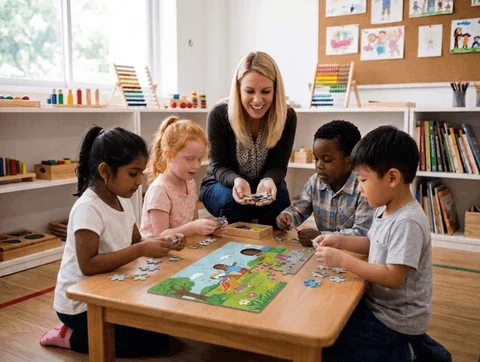
What does representation in early learning actually mean?
Representation means that the books, characters, images and stories a child encounters reflect the full diversity of the world they live in. It means a child sees families that look like theirs, hears names that sound like theirs, and encounters experiences that mirror their own.
For too long, many educational materials presented a narrow view of the world. Children from diverse backgrounds often struggled to find themselves in the pages of their books. This absence sends a quiet but damaging message, that some children matter less than others. Culturally inclusive education seeks to correct this, ensuring every child feels valued from their very first years of learning.
Why does representation matter so much in the early years?
The early years are when children form their earliest sense of who they are and where they fit in the world. This is why cultural diversity and inclusion in early years education is not a nice addition, but a genuine necessity.
When children see characters, families and experiences that reflect their own lives, they develop higher self esteem and a stronger sense of belonging. They feel motivated to engage with learning. They also learn empathy and respect for differences, understanding that a world full of varied voices is something to celebrate.
Representation transforms learning from something abstract into something personal. It tells a child a simple but profound message. You matter. You belong. You can succeed.
How does representation support confidence and wellbeing?
Mental health and wellbeing are just as important as academic achievement, yet many children quietly struggle with anxiety, low self esteem and a sense that they do not belong. Children from diverse backgrounds can feel this most acutely, particularly when they never see themselves reflected in their learning materials.
This is where representation and wellbeing meet. When a child sees themselves in a story, their confidence grows. They feel seen. Positive representation, woven thoughtfully into storytelling, helps children understand their emotions, value their own identity and approach learning with enthusiasm rather than anxiety.
Pairing representation with a growth mindset
Representation is at its most powerful when paired with a growth mindset. A growth mindset helps children embrace challenges, see mistakes as opportunities to learn, and build resilience. But a growth mindset alone is not enough. Children also need to feel represented in what they learn in order to believe that success is truly meant for them.
When we combine growth mindset strategies with diverse, inclusive materials, we give children both the belief that they can grow and the reassurance that they belong. Together, these create the conditions for every child to thrive.
How to choose the right resources for your child
Whether you are a parent, a carer or an educator, the resources you choose make a real difference. Look for children's literature on diversity that celebrates a wide range of voices and experiences. Seek out culturally inclusive children's books that reflect the world in all its richness. Choose materials that place representation at their heart, rather than treating it as an afterthought.
At Learn with Lolonyo, every resource we create is aligned with the national curriculum and designed to foster unity, diversity and wellbeing from a young age. We believe that culturally inclusive education is the foundation on which confident, curious and compassionate children are built.
Helping every child feel seen
Every child deserves to feel seen, valued and empowered in their learning journey. Representation is not simply about the books on a shelf. It is about the message we send to every child about their place in the world.
By embedding diverse voices and stories into early learning, we help children build confidence, resilience and a genuine love for learning that can last a lifetime.
Conclusion
Representation in early learning is one of the most powerful gifts we can offer a child. It shapes how they see themselves, how they relate to others, and how confidently they step into the world. When we place cultural diversity and inclusion in early years education at the heart of what we teach, we tell every child that they matter and that they belong.
If you would like to explore resources that place representation and wellbeing at the heart of your child's learning, browse our collection of culturally inclusive books and learning tools at Learn with Lolonyo. Together, we can help every child step forward with confidence.
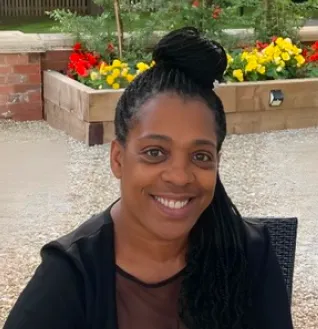
Vivean
An ex-Ofsted inspector with over 30 years of experience in early years' experience, an MA and BA in Education, Vivean brings a wealth of expertise and a deep passion for empowering young learners. She is also the founder of Brynels British Millinery, reflecting her commitment to creativity and positive representation across all her ventures.