
Understanding SEND and Inclusive Education
Every child deserves to learn in a way that works for them. For children with special educational needs and disabilities, the right support can make all the difference between struggling and thriving. This guide explains what SEND and inclusive education really mean, why they matter, and how the right SEND resources can help every child feel included, understood and able to succeed. Few things in education matter more than making sure every child feels they belong. Yet for many children with special educational needs and disabilities, the classroom can feel like a place designed for someone else. Inclusive education seeks to change that, ensuring that every child, whatever their needs, has a genuine opportunity to learn and flourish. I have spent more than thirty years in early years education, as a practitioner, an ex Ofsted inspector, and now as the founder of Learn with Lolonyo. Across those years, I have seen how thoughtful, inclusive teaching transforms not only individual children but entire classrooms. When we get inclusion right, everybody benefits.
What is SEND?
SEND stands for special educational needs and disabilities. It describes children who need additional or different support to learn compared with most children of the same age.
Special educational needs can take many forms. Some children have learning difficulties that make aspects of schoolwork harder. Others are neurodivergent, experiencing the world differently through conditions such as autism, ADHD or dyslexia. Some children have physical disabilities or sensory needs, while others need support with communication, emotional regulation or social interaction. Every child is unique, and so is every child's set of needs.
What is inclusive education, and why does it matter?
Inclusive education means creating learning environments where every child can take part fully, regardless of their needs or background. Rather than expecting children to fit a single mould, inclusive education adapts to meet children where they are.
This matters enormously. When children with SEND are genuinely included, they develop confidence, form friendships and achieve far more than they might in a setting that overlooks them. Just as importantly, inclusion teaches every child empathy, patience and respect for difference. Understanding SEND and inclusive education is not only about supporting some children. It is about building a kinder, fairer classroom for all.
How does SEND and inclusion benefit every child?
There is a common misconception that inclusive practice benefits only children with additional needs. In reality, the whole classroom gains.
Clear instructions, varied teaching methods and thoughtful, accessible resources help every child learn more effectively. When a lesson is designed to reach a child who learns differently, it very often becomes a better lesson for everyone. Children also grow up understanding that difference is normal and valuable, carrying that understanding with them into adulthood. SEND and inclusion, done well, lift the entire learning community.
What makes an effective SEND resource?
Not all learning materials are created with every child in mind. Effective SEND resources are designed to be accessible, flexible and genuinely supportive of different ways of learning.
The best resources use clear, simple language and uncluttered layouts that do not overwhelm. They offer information in more than one way, combining words with images, symbols or audio so that children can engage through their strengths. They allow for different paces of learning, so no child feels left behind or held back. And they reflect the diversity of the children using them, so every child feels seen. When you are choosing special educational needs resources, these are the qualities worth looking for.
How to support neurodiverse learners
Neurodiverse learners bring wonderful strengths to the classroom, from creativity and focus to unique ways of seeing the world. Supporting neurodiverse learning is about understanding and adapting, rather than trying to change who a child is.
Predictable routines help many neurodivergent children feel secure. Breaking tasks into smaller, manageable steps makes learning feel achievable. Sensory considerations, such as a calm space or the option to move, can make an enormous difference. Above all, patience and encouragement help every neurodiverse learner understand that their way of learning is valued. Thoughtful educational tools for neurodiverse learners can turn everyday lessons into moments of real progress.
How Learn with Lolonyo supports SEND and inclusive learning
At Learn with Lolonyo, inclusion sits at the very heart of what we do. We create resources that are aligned with the national curriculum and designed to support a wide range of learners, including children with special educational needs and disabilities.
Our materials combine accessible design with positive representation, so that children not only learn effectively but also see themselves reflected in what they read. We believe that SEND learning should never be an afterthought. It should be woven into the fabric of every child's education, helping each one feel understood, capable and valued.
Conclusion
Understanding SEND and inclusive education is the first step towards building classrooms and homes where every child can thrive. When we design learning around the needs of all children, we create environments that are richer, kinder and more effective for everyone.
If you are looking for thoughtfully designed, inclusive SEND resources that help every child feel seen and supported, explore our collection at Learn with Lolonyo. Together, we can make sure no child is left behind.
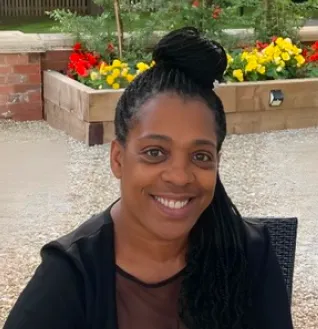
Vivean
An ex-Ofsted inspector with over 30 years of experience in early years' experience, an MA and BA in Education, Vivean brings a wealth of expertise and a deep passion for empowering young learners. She is also the founder of Brynels British Millinery, reflecting her commitment to creativity and positive representation across all her ventures.